
Getting Ready for Caregiving
March 2, 2026

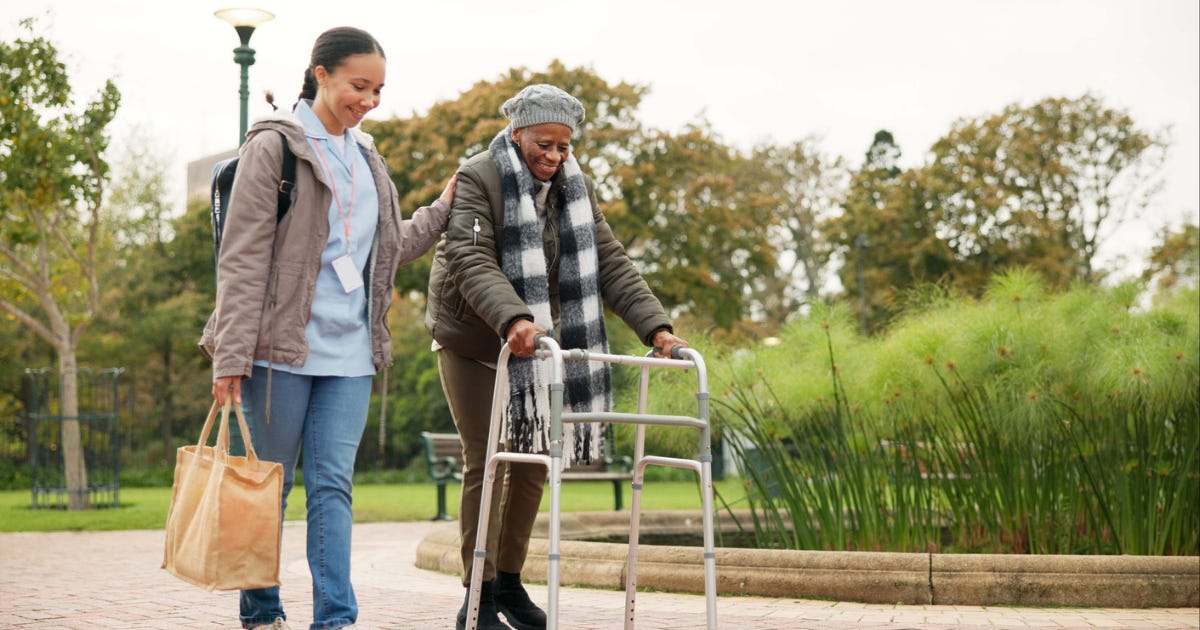
Polls can be useful guides to a world of changing realities and perceptions. A newly released poll from the Pew Research Center offers a helpful look at the growth of caregiving needs for many families, and how people feel about life in a rapidly aging America. Try to look past the numbers to assess
the realities of your future as both provider and recipient of caregiving.
There already are too few people willing to be paid caregivers even among those who can afford it. The burden is heavier for less affluent families and harder still when family members are scattered around the country.
Pew based its findings on a poll of 8,750 people last September. Here are some overall findings that foreshadow what might become your reality.
Caregiving can have positive and negative effects on families. Pew looked at adult children caring for their parents and spouses taking care of their aging partners.
“Roughly two-thirds of adults who are caregivers for an aging parent (68%) and a similar share of those caring for an aging spouse or partner (66%) say they help that person with at least one of the following on a regular basis:
▪ Errands, housework or home repairs (52%).
▪ Managing their health care, such as medical appointments and medication (42%).
▪ Managing their finances, such as budgeting or paying bills on time (39%).
▪ Personal care, such as bathing or dressing (16%).”
“Adults who are caring for an aging parent … report that this has had a more positive than negative impact on their relationship with their parent. But, on balance, they say it’s had a more negative than positive impact on:
▪ Their emotional well-being.
▪ Their physical health.
▪ Their job or career (among those who have one).
▪ Their financial situation.
▪ Their social life.”
The poll also looked at how caring for a spouse affected marriages.
“Among adults who are caring for an aging spouse or partner … 44% say this has had a positive impact on their relationship with their spouse or partner. Another 20% say the impact has been negative, and 35% say it’s been neither positive nor negative.
These caregivers are split on the impact they feel in other aspects of their lives:
▪ Their emotional well-being (35% positive and 33% negative).
▪ Their physical health (29% and 25%).
▪ Their financial situation (28% and 21%).
▪ Their social life (26% and 34%).”
Last November, Pew released a poll about the broader topic of aging, based on the same polling group in its look at caregiving.
Most Americans ages 65 and older feel positive about key aspects of their lives:
60% rate their mental health as excellent or very good.
66% say they feel optimistic about their life all or most of the time.
70% say they have people they can turn to for support all or most of the time.
Still, they report facing challenges. Fewer than half (37%) rate their physical health as excellent or very good. On occasion, many feel lonely, become confused, struggle with everyday activities, and need a caregiver to step in.
Some of these challenges are more common among those in their 80s and older. Within this older group, 31% say they experience mental confusion or memory loss and 24% say they need help handling their affairs or caring for themselves at least sometimes.
Perceptions of aging: 49% of adults ages 65 and older say they are aging extremely or very well. By comparison, 30% of those younger than 65 expect to age similarly well.
Income and the aging experience: Among adults ages 65 and older, experiences with getting older differ vastly by income. About six-in-ten older adults in the upper income tier (61%) say they’re aging extremely or very well. This compares with 51% of those in the middle-income tier and 39% of those in the lower income tier. Older adults in the upper income tier are also more likely to rate their physical and mental health highly, to spend time pursuing hobbies and socializing with friends extremely or very often, and to be active in a civic group or interest club.
Aging and financial concerns: Nearly half of U.S. adults under 65 (45%) aren’t confident they’ll have enough income and assets to last through their retirement years or say that they won’t be able to retire at all.
Stay safe, be kind, and don’t look away. Please raise your voice to end illegal actions by federal and state officials.
I am the principal author of Simon & Schuster’s Get What’s Yours series of books about Medicare, Social Security, and health care. Linked In; Bluesky.
That 37% figure is devastating and unsurprising. The system that depends on family caregivers invests nothing in sustaining them. The healthcare system is designed this way.